




Case Studies

A few stories we’re proud of.

Michelin stars, a water brand that looks like beer, buildings we plan to keep for decades, and a family toy drive. Here’s what being hands-on looks like in practice.

It started with dinner. One meal at Omakase, a tiny sushi counter in San Francisco, and we were hooked. That dinner turned into a conversation with the people behind it, and the conversation ballooned into much more than that.

Today we’re proud investors in the Omakase Restaurant Group, founded by Kash Feng and Chef Jackson Yu, and we’ve been along for the ride as it grew from one counter into some of the most celebrated restaurants in the Bay Area. We’re still regulars, too.

Omakase

Omakase is a counter of about a dozen seats in SoMa, hidden behind shoji screens, serving traditional Edomae-style sushi. The chef chooses, you trust, and the fish speaks for itself. Omakase earned a Michelin star, and it put the group on the map.

Niku Steakhouse

Then the group took on the steakhouse. Niku is a Japanese-influenced American steakhouse in the Design District built around Wagyu and an 18-seat chef’s counter, and it has collected accolades most restaurants only dream about:


Michelin Star
Michelin StarNiku Steakhouse · Omakase
Michelin Bib Gourmand
Bib GourmandOkane
World’s 101 Best Steak Restaurants
No. 49 in the WorldNiku Steakhouse, 2025
Wine Spectator award
Wine SpectatorBest of Award of Excellence
  • Michelin starOne of the few Michelin-starred steakhouses in the U.S., recognized year after year
  • No. 49 in the worldWorld’s 101 Best Steak Restaurants, 2025
  • Best steakhouse in CaliforniaTaste of Home, 2024
  • Wine SpectatorBest of Award of Excellence

Dumpling Time

Not every great meal needs a tasting menu. Dumpling Time is handmade dumplings done fast and done right, and it was the first restaurant to open at Thrive City, the plaza outside Chase Center where the Golden State Warriors play. Its signature King Dum, a soup dumpling so big you drink it through a straw, is a game-day ritual. On big playoff nights, the line goes out the door. Dumpling Time has since grown through franchise locations.

Great restaurants are one of the hardest businesses there are. That’s exactly why we’re so proud of these.

And growing

The group now includes Okane, a Michelin Bib Gourmand favorite for Japanese comfort food; The Butcher Shop, a purveyor of Kobe and Wagyu beef; KAPPO, an intimate chef’s counter; Raibu in Boise, Idaho; and Omakase World Market, a food hall in South San Francisco.
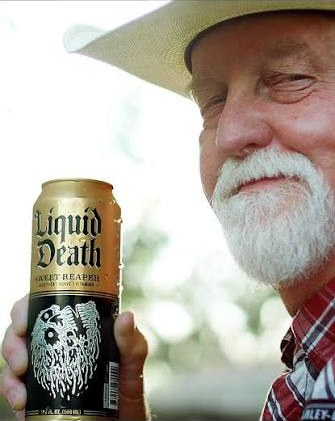

Picture the pitch: mountain water, in a tallboy can, with a skull on it and the slogan “Murder Your Thirst.” Most people laughed. We invested early.

Founder Mike Cessario, a former creative director at Netflix, had noticed that musicians on tour were drinking water out of energy-drink cans just to look cool on stage. So he built a water brand with the attitude of a beer brand, and backed it with relentlessly funny marketing.

The ride

  1. A can people kept mistaking for beer. Bartenders double-checked IDs. That was kind of the point.
  2. Live Nation came on board, first as an exclusive partner putting Liquid Death in concert venues, and later as an investor.
  3. It sold out at Costco and spread to more than 100,000 retail doors across the U.S. and U.K.
  4. A $1.4 billion valuation in 2024, double its valuation just two years earlier.
  5. Its own Super Bowl commercial, from a brand that once joked about not being able to afford one.
It’s hard to make it in CPG. Watching a small water company become a household name is the kind of story that keeps us backing bold founders.

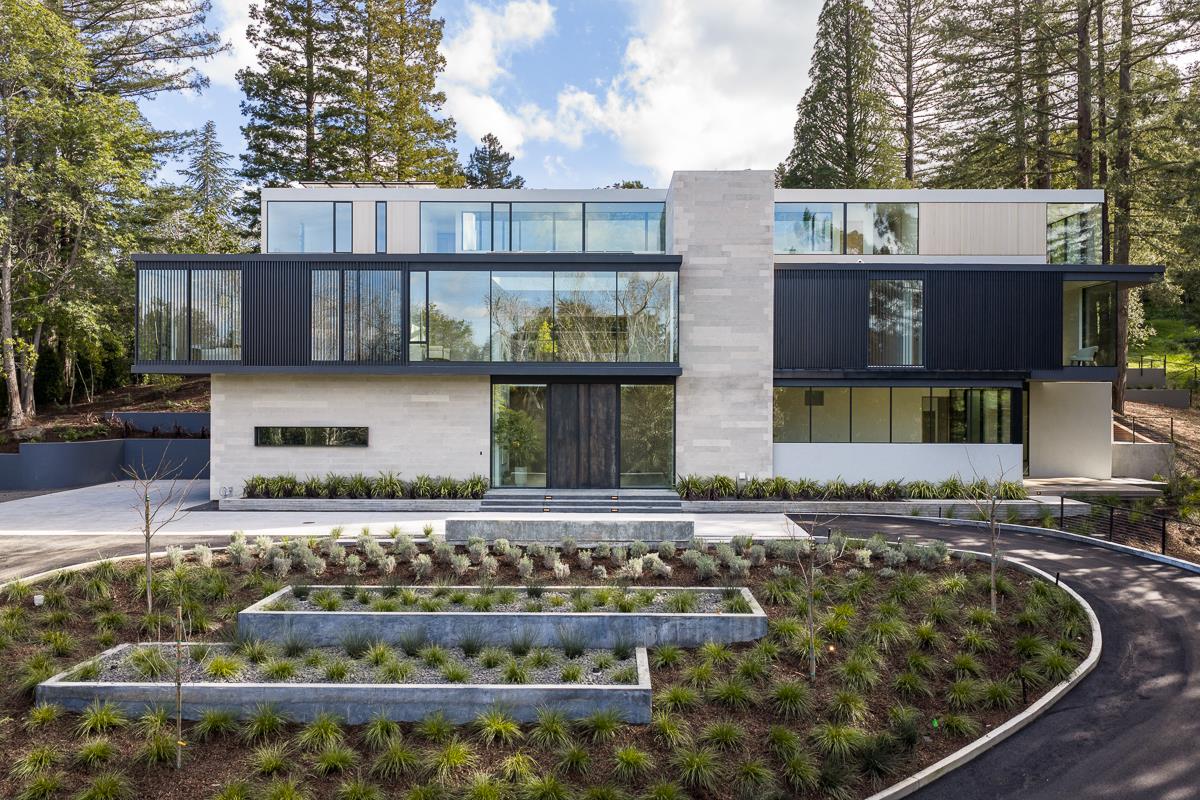
There are two ways to make money in real estate. You can buy something, dress it up and sell it as fast as possible. Or you can buy something good, make it better, and own it for a very long time. We do the second one.

Why we hold

Flipping is a bet on timing. Holding is a bet on quality. When you plan to own a property for decades, every decision changes: you fix the roof properly, you take care of the tenants, and you build relationships with the neighborhood instead of just passing through it.

Real estate expertise in-house

Our team includes licensed real estate agent and broker expertise. We use it for our own portfolio, not as a service: it means we don’t just write checks into deals. We know how to find them, negotiate them and close them, and we understand each transaction from the buyer’s, seller’s and owner’s point of view.

Partners on the ground floor

We work directly with operators who know their markets block by block, across Phoenix, Los Angeles and Northern California. They find the opportunity and run the property day to day. We bring capital that doesn’t need to leave on a deadline, and we stay involved in the big decisions.

In Los Angeles, one of those partners is Orion Capital, a developer and manager building new apartment communities in the neighborhoods around USC: Pico-Union, Exposition Park, West Adams and University Park.

From homes to offices

Our portfolio of 46 properties runs from single-family homes to apartment communities to commercial offices. Different assets, same playbook: buy well, add value, hold for the long haul.

We’d rather own something great for twenty years than something average for twenty months.

Markets are full of patterns that look meaningful and aren’t. The discipline in quantitative investing isn’t finding ideas. It’s rejecting the ones that won’t hold up.

We’ve spent our careers building software, so we invest in the technology behind investing: quantitative teams that trade options and volatility with data and models, and our own systematic strategies. Those strategies follow fixed, written rules instead of in-the-moment judgment, which means every one of them can be examined, tested and challenged before a dollar is committed.

Our rules

  1. Start with evidence. Every strategy begins as a hypothesis grounded in data and market structure, not a hunch.
  2. Test on history, then on what it hasn’t seen. We test against historical market data, including periods a strategy wasn’t designed on. If it only works on the data used to build it, it doesn’t work.
  3. Count every cost. Results are judged after fees and realistic trading costs, never before.
  4. Practice before real capital. New strategies run in a test environment before they’re trusted with real money.
  5. Limits are set in advance. Position sizes, loss limits and an off switch are defined before a strategy goes live, and never loosened in the moment.
  6. Never chase a loss. We don’t increase risk to win back what’s been lost.
A rule you’re willing to break under pressure was never a rule.

Our family in the Bay Area is big. Really big. With grandparents from families of eight to ten siblings, plus everyone’s kids, one party can bring together a hundred of us.

The story of Hallo-Givings-Mas

After our great-grandma passed away, getting everyone together became harder. So our family started a new tradition: Halloween, Thanksgiving and Christmas, all in one. We called it Hallo-Givings-Mas.

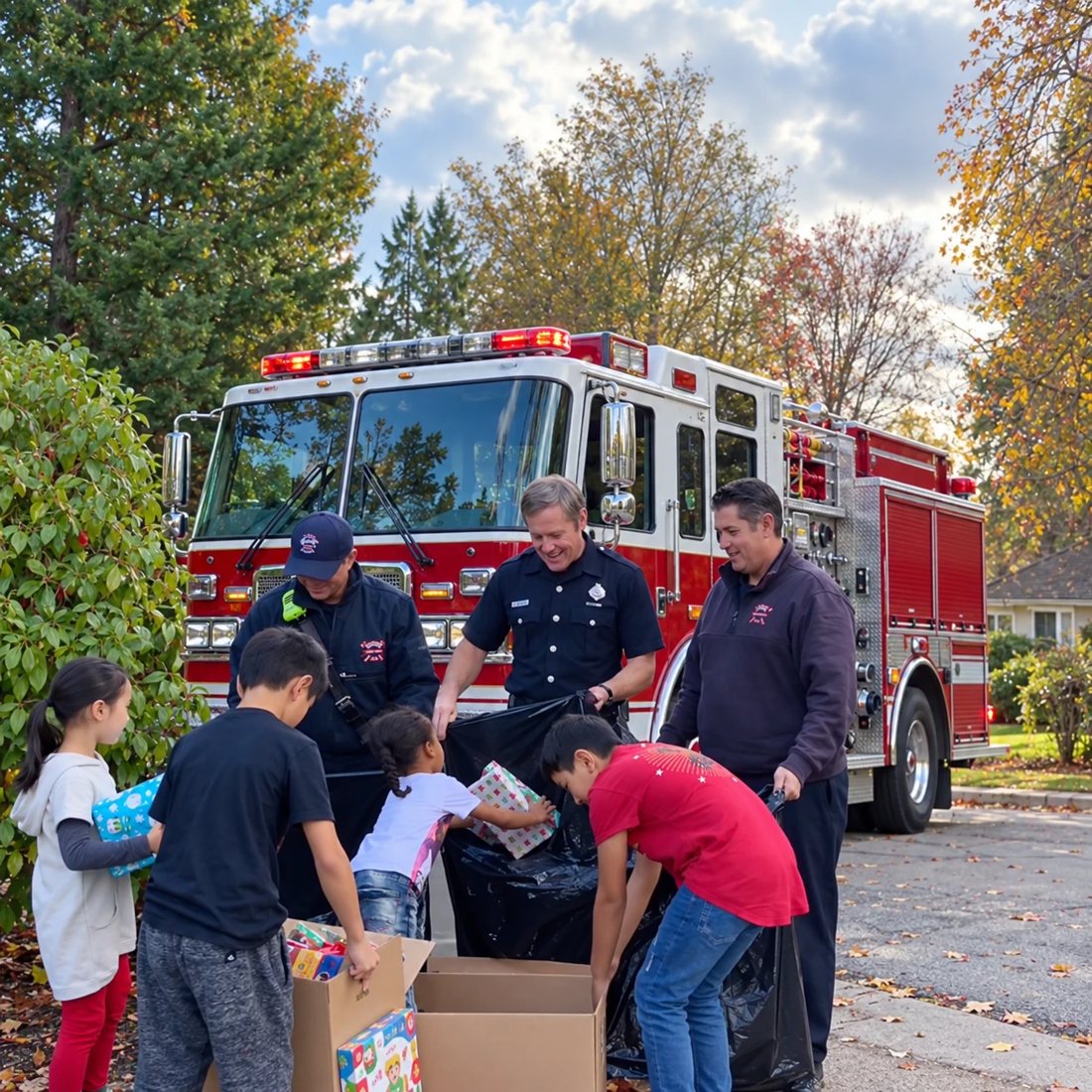
There was turkey. There were costumes. Darth Santa and Jack Skellington handed out little gifts to kids dressed up for Halloween. We played games, and a fire truck even came to the house for our toy drive.

That celebration started something that stayed with us: Christmas became about giving toys, rather than just getting them.

Play It Forward

Today the next generation of our family keeps the tradition going through Play It Forward, a small team of local students. They collect, clean, sort and repack donated toys, or turn their value into support for underserved youth. We back them, and we work alongside Toys for Tots and the San Mateo County firefighters to get those toys to kids who need them.

A little Halloween. A little Christmas. A lot of giving.

Proud to support

Toys for Tots
San Mateo County Firefighters, IAFF Local 2400
Samaritan House
Children’s Fund, County of San Mateo
Family Giving Tree
Orion Community Fund

Want to be our next story?

If you’re building something and want a partner who rolls up their sleeves, let’s talk.

Get in Touch